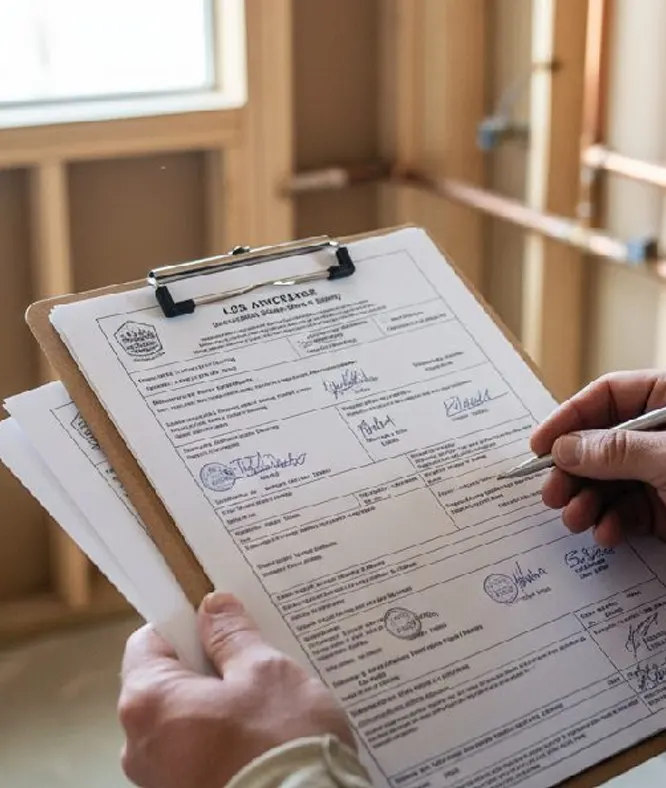
The demand for a qualified Los Angeles ADU builder in Sherman Oaks, CA continues to accelerate as homeowners respond to rising property values, evolving housing needs, and strong rental potential throughout the San Fernando Valley. Yet building an accessory dwelling unit in this community presents a distinct set of local market challenges that require careful planning and firsthand knowledge of neighborhood conditions. Sherman Oaks is not a generic suburb. It is a highly desirable pocket of Los Angeles bordered by Studio City, Encino, and Van Nuys, with activity centered around Ventura Boulevard and extending into hillside streets near Mulholland Drive. Each micro area carries its own development considerations, and understanding those nuances is essential for a successful ADU project. Regulatory compliance remains one of the most significant hurdles. Sherman Oaks falls under the City of Los Angeles building and safety jurisdiction, and while California ADU laws have simplified approvals, detailed code adherence is still critical. Properties near the Santa Monica Mountains or in hillside-adjacent zones often require additional structural review, soil reports, and drainage plans. Homes located closer to the Sepulveda Basin Recreation Area or near the Los Angeles River may encounter specific grading or environmental considerations depending on lot configuration. Even lots within well established tracts near Sherman Oaks Park or the Chandler Boulevard Bike Path can present setback limitations that influence design layout. A knowledgeable Los Angeles ADU builder must track ordinance updates, interpret zoning overlays, and coordinate closely with city reviewers to prevent delays. Lot characteristics in Sherman Oaks vary more than many homeowners expect. In flats north of Ventura Boulevard, parcels often include detached garages positioned along rear property lines. Converting these garages into livable units can appear straightforward, but aging foundations, outdated framing, and limited ceiling heights frequently require structural upgrades. South of Ventura Boulevard, especially in areas climbing toward Mulholland Drive, sloped terrain introduces grading complexity, reinforced footings, and enhanced drainage systems to protect against soil movement during heavy winter rains. These hillside conditions can increase engineering coordination and extend preconstruction timelines, making early feasibility analysis essential. Infrastructure capacity is another common obstacle. Many homes built in the 1950s and 1960s near Westfield Fashion Square or along Woodman Avenue still operate with original electrical panels and aging sewer laterals. Adding a separate dwelling unit often necessitates panel upgrades, new subpanels, or sewer line improvements to meet current capacity requirements. Coordinating trenching work while maintaining access on narrower residential streets requires precise scheduling. In neighborhoods near Notre Dame High School or around Dixie Canyon Community Charter School, traffic congestion during school hours can complicate deliveries and inspections. Builders must plan staging carefully to minimize disruption and maintain positive relationships with neighbors. Economic pressures also shape the local ADU landscape. Sherman Oaks consistently ranks among the most sought after communities in the Valley due to its proximity to Beverly Glen, easy access over the hill to West Los Angeles, and walkable amenities near Ventura Boulevard. As property values climb, homeowners look to ADUs as a strategy for long term equity growth or supplemental income. However, fluctuating interest rates and material costs create budgeting uncertainty. Clients often begin their research by reviewing educational resources such as our
Sherman Oaks ADU builder page to better understand realistic timelines and cost factors before moving into architectural design. Clear financial modeling and transparent cost projections are essential to keep projects viable in a competitive construction environment. Community character plays a meaningful role in project approval and overall success. Sherman Oaks features tree lined streets, mid century ranch homes, Spanish revival properties, and thoughtfully renovated contemporary residences. In areas close to Van Nuys Sherman Oaks Park or near the historic Sherman Oaks Galleria site, homeowners take pride in curb appeal and neighborhood cohesion. An ADU that ignores scale, rooflines, or exterior finishes can stand out in a way that draws scrutiny. Thoughtful design that complements the primary residence and respects surrounding architecture tends to move more smoothly through plan review and fosters goodwill among neighbors. Logistics present another layer of complexity. Residential streets near Riverside Drive or tucked into hillside cul de sacs may offer limited space for material storage, dumpsters, and framing crews. Coordinating deliveries without blocking driveways or restricting access requires proactive communication and detailed scheduling. Even though Southern California weather supports year round construction, seasonal rain can affect excavation on sloped lots and delay concrete pours. Anticipating these variables and building contingencies into the timeline protects both quality and budget. Ultimately, developing an ADU in Sherman Oaks demands more than basic construction knowledge. It requires familiarity with local zoning patterns, hillside engineering practices, aging infrastructure, and the expectations of a well established community. Homeowners who partner with a locally experienced Los Angeles ADU builder gain the advantage of strategic planning, efficient permitting, and design solutions tailored to the unique character of Sherman Oaks, CA. By navigating regulatory requirements, site constraints, and market dynamics with precision, it becomes possible to transform underutilized space into a valuable, functional extension of the property while preserving the integrity of the neighborhood.