Garage Conversion Cost in Riverside CA (2026): Myths, Real Numbers, and What Actually Drives the Price

July 1, 2026

Many homeowners assume converting a garage is a simple, low-cost remodel – just drywall, flooring, and paint. At IBA Builders, we’ve been helping clients understand garage conversion cost in Riverside CA for years of experience, and we’ve noticed the real numbers often surprise people. What looks like a basic cosmetic update is actually a structural, mechanical, and code-driven project. We regularly share insights on our professional blog to clarify what truly affects cost. The misconception becomes expensive when permits and structural upgrades are ignored. We’ve seen a Riverside homeowner start framing and electrical work without plans, only to face stop-work orders and demolition when the city required engineered drawings and Title 24 energy compliance. That mistake added months and thousands of dollars to what they thought was a “quick upgrade.”

Planning, Engineering, Permits, and Quality Control

Accurate pricing starts with proper evaluation. Before discussing finishes, we assess structure, utilities, and code triggers. This upfront work prevents mid-project surprises that inflate the final bill. A professional garage conversion in Riverside typically includes:
  • Structural review: Evaluating load-bearing walls, installing LVL headers if the garage door opening is reframed, and verifying foundation integrity.
  • Energy compliance: Title 24 calculations, insulation upgrades, dual-pane windows with low-E glazing, and sealed ductwork if HVAC is extended.
  • Electrical upgrades: Dedicated circuits, AFCI/GFCI protection, load calculations to confirm the main panel can handle added demand.
  • Moisture control: Slab testing with a calcium chloride kit and installation of vapor barriers before flooring.
  • Permit coordination: Plan check submission and inspections through the City of Riverside Building & Safety Division.
We’ve seen estimates that skip insulation upgrades or panel capacity checks to appear cheaper. Once construction begins, those omissions surface during inspection and costs rise quickly. Excellent service includes transparent line items, clear scope definitions, and realistic allowances for finishes. In Riverside neighborhoods with older homes, electrical panels are often 100-amp systems. Converting a garage into habitable space sometimes requires upgrading to 200 amps to meet NEC load calculations. That single factor can materially affect total cost, but it protects safety and prevents breaker overloads.
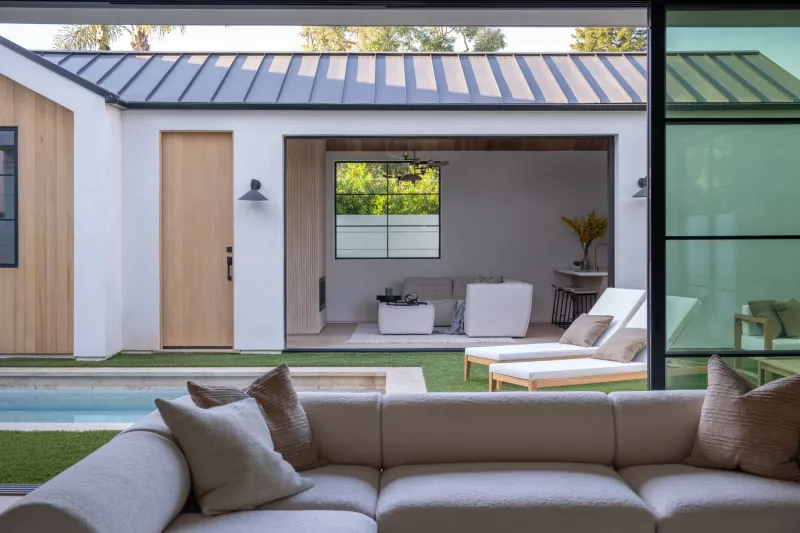
Detached backyard Accessory Dwelling Unit (ADU) and pool house featuring a covered patio, outdoor lounge seating, and large sliding glass doors.

What Riverside Homeowners Should Realistically Expect

The biggest cost drivers in 2026 are labor rates, energy compliance, and utility upgrades. In our experience, a basic garage conversion in Riverside may range from $40,000 to $75,000. Projects that include a bathroom, kitchenette, or structural modifications might range from $70,000 to $110,000 or more depending on complexity. Costs fluctuate based on:
  • Site complexity and existing conditions (slab slope, foundation cracks, ceiling height).
  • Material costs (insulation type, window quality, flooring selection).
  • Total scope (adding plumbing, HVAC systems, or separate entrances).
One homeowner planned only a bedroom conversion. During evaluation, we discovered the ceiling height was under 7 feet 6 inches after proposed floor leveling, which conflicts with California Residential Code minimums. We redesigned the assembly using thinner rigid insulation and adjusted framing to maintain compliance without lowering the ceiling excessively. Addressing that early avoided failed inspections and redesign costs. Timelines typically fall between 8 and 12 weeks from permit approval to final inspection, though plan check review can add several weeks. Financing also influences planning, and many clients review options in our ADU financing guide to understand funding structures. These figures are preliminary benchmarks for informational purposes only and do not constitute a binding quote. An on-site evaluation is required for a final proposal.

Get a Clear Cost Assessment Before You Build

If you’re considering converting your garage, the smartest first step is a detailed feasibility review. We evaluate structure, utilities, code requirements, and layout options before presenting a transparent cost range. That approach protects your budget and prevents mid-project surprises. Our team provides written scopes, realistic allowances, and clear timelines tailored to Riverside properties. Whether you want a rental unit, guest suite, or home office, we can outline what’s required and what will drive the investment. Schedule a quick expert assessment and get clarity on your options before committing to construction.

FAQs

In 2026, most standard garage conversions in Riverside may fall between $40,000 and $75,000, depending on scope. That typically includes insulation upgrades, electrical work, drywall, flooring, windows, and permits. If you add plumbing for a bathroom or kitchenette, costs often increase significantly due to trenching, drain tie-ins, venting, and fixture installation. Riverside homes built decades ago sometimes require panel upgrades, foundation crack repairs, or ceiling adjustments to meet California Residential Code minimum height requirements. Those factors directly influence total investment. The most accurate way to determine cost is through a site evaluation. Slab slope, existing framing, roof condition, and utility access all affect labor and materials. Online averages provide rough guidance, but each property presents unique conditions that change the numbers.
Yes. The City of Riverside requires permits for garage conversions because the space changes from non-habitable to habitable use. That shift triggers compliance with the California Residential Code, California Electrical Code, California Plumbing Code, and Title 24 energy standards. Permits ensure proper insulation values, emergency egress windows, smoke and carbon monoxide alarms, and safe electrical circuits with AFCI/GFCI protection. Skipping permits can create legal and financial problems during resale or refinancing. Lenders and buyers often request documentation proving the conversion was approved and inspected. Unpermitted work may also require demolition if it fails inspection later. Scheduling inspections at framing, electrical, insulation, and final stages protects both safety and long-term property value.
Construction itself often takes 8 to 12 weeks after permits are approved. Plan check review through the city may add several additional weeks depending on workload and revisions required. Timeline can fluctuate based on:
  • Site complexity and unforeseen structural issues.
  • Material costs and supply availability.
  • Total scope, especially if plumbing or HVAC systems are added.
Electrical panel upgrades, slab leveling, or structural header installations can extend duration. Weather conditions in Riverside may also affect exterior stucco curing or concrete work. In general, careful planning and complete drawings reduce delays because inspectors can approve stages without correction notices. These figures are preliminary benchmarks for informational purposes only and do not constitute a binding quote. An on-site evaluation is required for a final proposal.
Cosmetic tasks like painting or installing finish flooring may be manageable for experienced homeowners. However, structural framing changes, electrical panel upgrades, plumbing tie-ins, and Title 24 energy documentation require licensed professionals. Garage conversions involve load calculations, proper header sizing (often LVL beams), moisture mitigation under flooring, and verified egress window sizing. Mistakes in these areas can cause failed inspections or unsafe conditions. We’ve seen homeowners attempt DIY framing without accounting for shear wall requirements, only to discover bracing deficiencies during inspection. Correcting that after drywall installation significantly increased costs. If your project involves structural changes, electrical service upgrades, or plumbing, professional oversight protects safety and reduces long-term financial risk.
Certain conditions signal higher conversion costs. Visible foundation cracks may require epoxy injection or structural reinforcement. A severely sloped slab can require extensive self-leveling underlayment or a framed floor system. Low ceiling height below code minimums may require creative framing solutions. Outdated 100-amp panels often lack capacity for additional circuits, especially if you plan to add HVAC. Single-pane garage windows will not meet Title 24 requirements and must be replaced with compliant dual-pane units. Before planning finishes, inspect for moisture intrusion, roof leaks, or termite damage. Addressing structural or water issues first prevents long-term deterioration and protects your investment.
In Riverside, extreme summer heat makes insulation and HVAC design critical. Garages typically lack wall and ceiling insulation, causing interior temperatures to exceed comfortable limits. Title 24 compliance ensures proper R-values and sealed duct systems. Older Riverside homes sometimes have undersized electrical systems. Adding conditioned living space increases load demand, especially with mini-split heat pump systems. We also see slab moisture issues after seasonal rains. Conducting moisture testing before installing vinyl plank or engineered wood flooring prevents warping or adhesive failure. Planning for thermal performance and moisture control early reduces callbacks and ensures the new living space remains comfortable year-round.
Verify the contractor holds a valid California contractor’s license appropriate for residential remodeling. Confirm general liability insurance and workers’ compensation coverage. Request a detailed written scope outlining insulation values, window specifications, electrical upgrades, and permit responsibilities. A thorough proposal should reference applicable building codes and inspection stages. Ask whether structural calculations will be prepared if headers or load-bearing elements are modified. Contractors who provide unusually low bids without line-item breakdowns often exclude required upgrades that surface later. Clear communication, documented change orders, and realistic timelines indicate professional management and reduce financial surprises.
Schedule an evaluation before purchasing materials or starting demolition. Early assessment identifies ceiling height limitations, slab slope, electrical capacity, and plumbing feasibility. If you notice cracking slabs, outdated electrical panels, or water intrusion, address those conditions before finalizing plans. These factors materially influence cost and design feasibility. Even if you are only exploring ideas, a feasibility review clarifies zoning considerations, parking replacement requirements, and permit steps in Riverside. Early planning prevents redesign expenses and keeps your project aligned with building regulations. Taking action at the planning stage protects both safety and budget.