
Four variables determine the right path — lot size, garage condition, cost delta, and rental income. We evaluate all four on your specific property before any design begins.
CSLB License #1074505
Itamar Ben Asulin on every lot walk
Valley · Westside · South Bay
The right ADU type depends on your specific lot — not on which quote is smaller.
A detached ADU construction in LA County and a garage conversion are fundamentally different projects. They require different permits, different structural scopes, and different utility connections — and both fall under the LADBS accessory dwelling unit permit requirements. Before comparing them by price, a homeowner needs a decision framework — a structured comparison of lot-specific variables — that puts both options on equal footing.
The question isn’t which type is cheaper. It’s which type generates the best return on your specific lot. For a complete picture of what drives the cost difference, see our full ADU cost breakdown for LA homeowners. For lot size and zoning by area, see LA ADU zoning rules for R1 and R2 lots.
Two paths, very different project profiles. The right one depends on your lot — not on which headline number looks smaller.
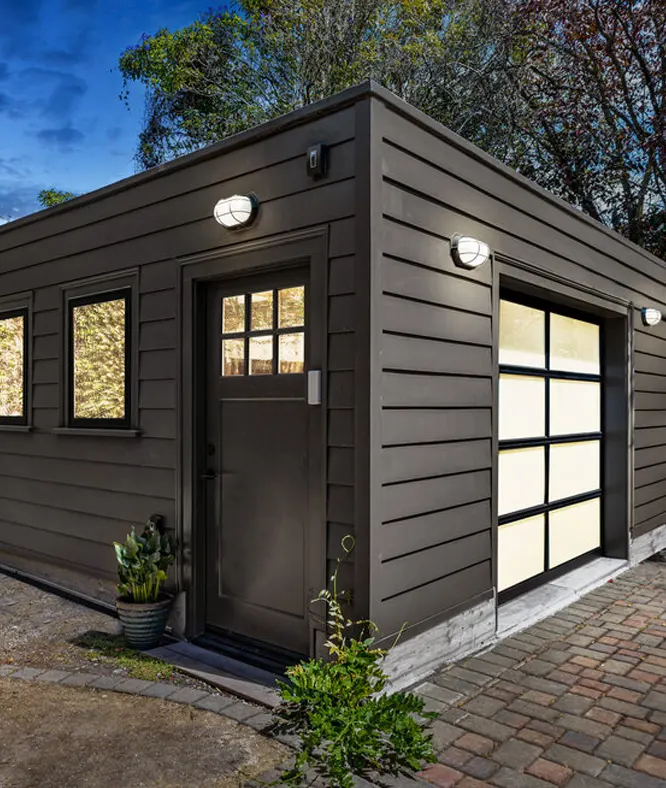
Best when the rear yard supports a clean site and rental income upside matters most.
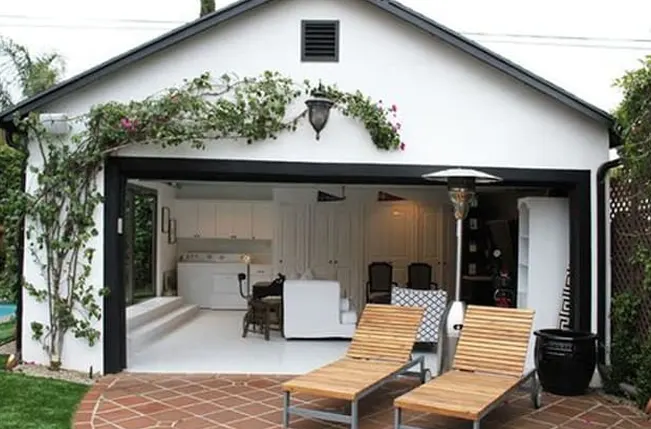
Best when the existing garage clears structural/setback checks and faster timeline matters.
Each variable interacts differently on every lot. We document a finding on each one before recommending a path.
Detached ADUs require 4-foot setbacks from all rear and side property lines. On smaller lots, the buildable envelope after deductions may not support a functional unit — conversion becomes the primary path.
Slab thickness (3.5″ minimum for habitable floor), ceiling height, proximity to property lines, and foundation condition. Quotes that skip these aren’t a complete comparison.
Garage conversions typically clear LADBS plan check faster: fewer new utility connections, smaller structural engineering scope. If a specific rental start date matters, timeline is as important as cost.
Freestanding units with no shared walls command higher monthly rent in the LA market. The differential compounds over years — a higher upfront cost can produce stronger long-term financial outcomes.
I’m Itamar Ben Asulin. I’ve walked this evaluation in person on dozens of LA lots — and the answer is almost never obvious from the street.
A homeowner in Sherman Oaks came to us having already received two quotes. One was for a 500 sq ft detached ADU built in the rear yard. The other was for a garage conversion on their existing two-car structure. The detached quote was higher. The conversion quote was lower. They assumed the conversion was the smarter path.
I asked to see the garage first.
The slab was 2.5 inches thick. Converting it to habitable space would have required either a full slab replacement or a self-leveling overlay with rigid insulation on top — adding cost that wasn’t in the original quote. Meeting insulation and energy performance standards for habitable space added another layer of scope the original quote hadn’t addressed. Ceiling height was 7′2″ — passable, but right at the minimum. The garage sat 3 ft from the rear property line: acceptable for conversion under LADBS rules, but no room for a window on that wall without additional review. We walked them through what the LADBS permit process actually looks like for ADU projects, including rear property line clearance requirements.
The detached ADU, by contrast, had a clean site. The rear yard had enough depth to meet the 4-foot setback on all sides with room for a 480 sq ft footprint. Foundation would be a standard slab-on-grade — existing concrete floor type isn’t a factor when building new. No structural surprises.
When we ran the cost delta — the full dollar difference between both paths on that specific lot — the detached ADU came in $22,000 higher. The projected rental income difference between a freestanding unit and a converted garage on that street ran $350 to $450 per month. The detached ADU paid back the cost difference in under five years. They built the detached. Our garage-to-ADU conversion services in LA evaluation made the new build the stronger path on that lot.
That analysis only works if you start with the right variables. Quote comparison doesn’t get you there. Lot assessment does.
Some homeowners feel like they need to choose an ADU type before calling a contractor. They don’t. The first step isn’t design — it’s assessment. Before a single drawing is created, we review your lot size, existing garage condition, usable rear yard area, and utility access. That review tells us which path is structurally viable, which one is permittable at LADBS, and which one produces the better financial outcome on your specific property.
As a CSLB-licensed contractor based in Los Angeles under License #1074505, Itamar walks each lot personally before any design work begins. You get a documented basis for the decision — not a guess, not a smaller quote. Understanding why LA ADU permits take longer than expected is part of the conversation. Our ADU permit services for LA County cover both paths from initial plan check submission through final inspection sign-off.
Four physical checks govern conversion feasibility: slab thickness (3.5″ minimum for a habitable floor), ceiling height (7′6″ clear minimum after any insulation/finish), proximity to rear and side property lines (governs window placement and additional review), and foundation condition. We walk the garage on the first site visit and document each one — if any of the four fails or is borderline, the conversion quote needs to include the retrofit cost or the comparison isn’t complete.
Usually but not always. The conversion looks cheaper on headline numbers, but if the garage needs a slab replacement, ceiling-height adjustment, fire-wall upgrade, or new insulation to meet habitable-space code, the actual delta narrows. On the Sherman Oaks case study above, the detached came in $22K higher — but the rent differential paid back the delta in under five years. The right comparison includes full retrofit scope on the conversion side, not just the base quote.
Three reasons. First, no shared walls means more privacy and lower noise transfer — both rent at a premium in the LA market. Second, detached units are usually built to newer specs with better light, ceiling height, and layout flexibility. Third, garage conversions retain the visual footprint of a garage from the street, which affects perceived value. On most LA streets, the rent premium for a freestanding unit runs $200–500/month over an equivalent-square-footage conversion.
Garage conversions typically clear LADBS plan check faster than new detached builds — fewer new utility connections to engineer, smaller structural scope, no soils-report dependency in most cases. Detached builds may go through one to three plan check correction cycles before permit issuance. If a specific rental start date matters, the timeline comparison is as important as the cost comparison.
Yes — that’s our standard assessment. We visit the property, walk the existing garage and the potential detached site, document findings on all four variables (lot size, garage condition, cost delta, rental income differential), and give you both numbers side by side. The decision stays yours; the documented finding makes it informed.
Both ADU paths evaluated against your specific property — before you commit to either. Tell us your address and whether you have an existing garage. We’ll schedule a site visit, run the four-variable assessment, and give you a documented comparison (lot size, garage condition, cost delta, projected rental income) so you can make the decision with the right information in front of you.