How to Finance an ADU in Los Angeles (2026 Guide)

June 12, 2026

Many homeowners believe financing an ADU is as simple as taking out a small personal loan and starting construction. At IBA Builders, we’ve been helping Los Angeles property owners plan and fund ADU projects for years of experience, and we’ve seen how that misconception can derail a project before it begins. Financing an ADU requires coordination between design, permitting, lender requirements, and realistic construction costs. We’ve walked onto properties in Los Angeles where owners secured partial funding, only to discover mid-permit that their total budget – especially after reviewing ADU cost breakdowns – was short by tens of thousands of dollars. When funding falls apart halfway through, projects stall, materials sit exposed, and carrying costs pile up. Understanding the right financing structure from day one protects your timeline, your equity, and your long-term return.

How Professionals Align Budget, Permits, and Loan Strategy

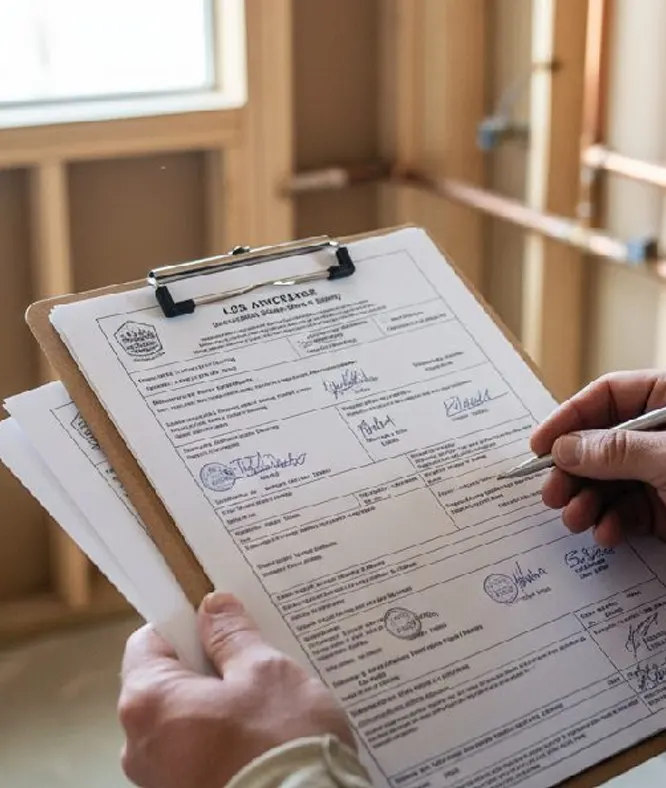
Pre-Application Through Final Sign-Off — Every Phase of the LA ADU Permit Lifecycle Explained
Successful ADU financing starts with alignment. We coordinate design scope, permit readiness, and lender documentation before construction begins. That sequence protects both approval timelines and draw schedules. Strong financing preparation typically includes:
  • Detailed construction budget: Line items for grading, foundation (often slab-on-grade 4″ minimum per CRC), framing lumber packages, Title 24 energy compliance, and utility trenching.
  • Permit clarity: Confirmation of zoning compliance through Los Angeles ADU zoning rules and understanding the LADBS ADU permit process so lenders see reduced regulatory risk.
  • Contingency allocation: We advise reserving 10 – 15% for unforeseen site conditions such as expansive soils or required seismic anchoring upgrades.
  • Draw schedule planning: Matching inspection milestones – foundation, rough framing, MEP rough-in, insulation, final – to loan disbursements.
Financing partners want predictability. When plans lack structural engineering stamps or when homeowners submit rough sketches instead of permit-ready drawings, lenders often delay underwriting. We’ve seen appraisals stall because projected rent wasn’t supported by comparable detached units in the same Los Angeles neighborhood. Excellent service includes pre-construction feasibility analysis, coordination with structural engineers, and energy consultants for Title 24 compliance. What to avoid is locking in a loan before confirming total scope. When financing outpaces planning, the budget gap usually surfaces during construction – not before.

Comparing HELOCs, Cash-Out Refinancing, and Construction Loans

Choosing the right financing tool depends on equity position, income stability, and ADU type. In Los Angeles, most homeowners use one of three structures:
  1. HELOC: Flexible draw access, variable rates. Works well when significant equity already exists.
  2. Cash-out refinance: Replaces primary mortgage, often with fixed rates. Suitable when refinancing improves overall loan terms.
  3. Construction loan: Short-term financing that converts to permanent financing after completion.
In our experience, a backyard or detached unit with new slab, separate electrical subpanel (often 100-amp), and independent HVAC system might range from $200,000 to $350,000 or more depending on size and finish level. Garage conversions or JADUs may fall lower, but structural retrofits and utility upgrades still add cost. A client once chose a construction loan for a backyard ADU expecting a six-month timeline. Permit review extended closer to eight months due to plan corrections, which increased interest carry costs. Planning for realistic timelines – design (2 – 4 months), permits (2 – 6 months), construction (6 – 9 months) – helps structure financing appropriately. Costs fluctuate based on:
  • Site complexity and soil conditions
  • Material costs and finish selections
  • Total scope including utility upgrades
These figures are preliminary benchmarks for informational purposes only and do not constitute a binding quote. An on-site evaluation is required for a final proposal.

Get a Clear Financing Game Plan

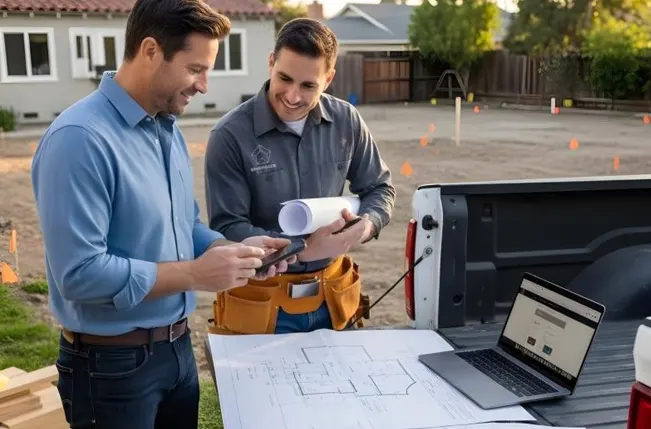
Financing an ADU should feel structured, not uncertain. We review your property, equity position, proposed ADU type, and realistic construction budget to help you approach lenders with confidence. Our team aligns design scope, permitting expectations, and phased draw schedules so you’re not caught short midway through construction. If you’re considering an ADU in Los Angeles, a quick feasibility and budget review can prevent months of delay and unexpected funding gaps. We’ll outline probable costs, timeline ranges, and documentation lenders typically require so you can move forward strategically.
Understanding the LADBS Permit Process Is How You Evaluate a Contractor’s Timeline

FAQs

Most Los Angeles homeowners use a HELOC or cash-out refinance because they leverage existing home equity. A HELOC provides flexibility, allowing you to draw funds as construction progresses. This works well when you have strong equity and want phased access to capital. A cash-out refinance replaces your current mortgage with a larger one, providing a lump sum that may offer a fixed interest rate. Construction loans are another option, especially for larger detached ADUs with higher budgets. These loans release funds in stages tied to inspections. The right choice depends on your credit profile, loan-to-value ratio, and comfort with variable versus fixed rates. We recommend comparing long-term carrying costs, not just approval speed, since interest structure significantly affects overall return on investment.
In some cases, yes – but only if it’s properly documented. Many lenders follow Fannie Mae guidelines, which may allow projected ADU rental income to count toward qualification. However, the income must typically be supported by a rent schedule prepared by a licensed appraiser using comparable units. If comparable detached or attached ADUs don’t exist in your neighborhood, lenders may discount or ignore projected income. That can reduce borrowing power. We advise homeowners to confirm with their lender early whether projected rent will count and under what documentation standards. Relying on assumed income without lender confirmation can create a financing shortfall later in the process.
In Los Angeles, ADU construction may range from $200,000 to $350,000 or more for a detached unit, depending on size and finish level. Smaller garage conversions might fall below that range, but structural upgrades and utility improvements still add cost. Financing expenses may include appraisal fees, loan origination fees, interest during construction, and potential refinance closing costs. Total cost can fluctuate based on:
  • Site complexity and soil conditions
  • Material costs and finish selections
  • Total project scope including utility upgrades
Timelines often span 10 to 18 months from planning through final inspection, which can affect carrying costs. These figures are preliminary benchmarks for informational purposes only and do not constitute a binding quote. An on-site evaluation is required for a final proposal.
Homeowners can technically secure financing independently, but managing lender documentation, permit approvals, draw inspections, and contractor coordination requires organization and construction knowledge. If loan draws don’t align with inspection milestones, contractors may pause work while waiting for funds. We’ve seen homeowners underestimate how detailed lenders can be. Missing structural calculations, incomplete permit approvals, or unclear budgets often delay underwriting. If you have experience reviewing plans, coordinating with LADBS, and managing subcontractors, you may handle portions yourself. However, many homeowners choose professional guidance to reduce administrative risk and keep funding synchronized with construction progress.
Watch for inconsistencies between your contractor’s estimate and your lender’s approved loan amount. If your approved funds barely match your projected construction cost without contingency, you may face trouble once construction begins. Also monitor appraisal assumptions – if projected rent seems inflated compared to neighborhood averages, qualification may change. Delays in permit approval can also impact financing timelines. If interest-only construction loans extend beyond the planned build schedule, carrying costs increase. Maintain organized documentation, including stamped plans, structural calculations, and permit approvals. Regular communication between your lender and construction team helps prevent funding interruptions that can slow or stall the project.
Yes. Los Angeles properties often involve hillside grading, older sewer laterals, seismic retrofit requirements, or utility upgrades that increase scope. Lenders may request additional documentation if soil reports or structural engineering indicate complex foundation work. Permit timelines through LADBS can vary depending on plan review cycles. If financing is structured around a short approval window, extended review periods can push closing dates. Additionally, appraisal comparables for newer ADUs may be limited in certain neighborhoods, affecting projected rental income qualification. Planning for these local factors helps prevent financing gaps and timeline disruptions.
Verify that your contractor holds an active California contractor’s license and carries general liability and workers’ compensation insurance. Confirm experience with Los Angeles ADU permitting and Title 24 energy compliance. Ask for detailed line-item budgets rather than lump-sum estimates so lenders can review cost breakdowns. A strong team coordinates with structural engineers, energy consultants, and permit expediters. Transparency in payment schedules is critical – draw requests should align with inspection milestones. Clear communication between contractor and lender reduces the risk of stalled construction due to paperwork delays. Professional oversight helps keep both regulatory and financial elements synchronized.
Schedule a review before submitting loan applications or paying for full construction drawings. Early evaluation clarifies probable total cost, realistic timelines, and lender documentation needs. Waiting until after permit submission can limit flexibility if your financing structure needs adjustment. If you notice budget gaps, unclear lender requirements, or changing interest rate conditions, it’s wise to reassess promptly. While ADU financing is rarely an emergency situation, acting early prevents delays that can compound over months. Coordinated planning between design, permitting, and financing keeps the project moving efficiently and protects long-term investment value.