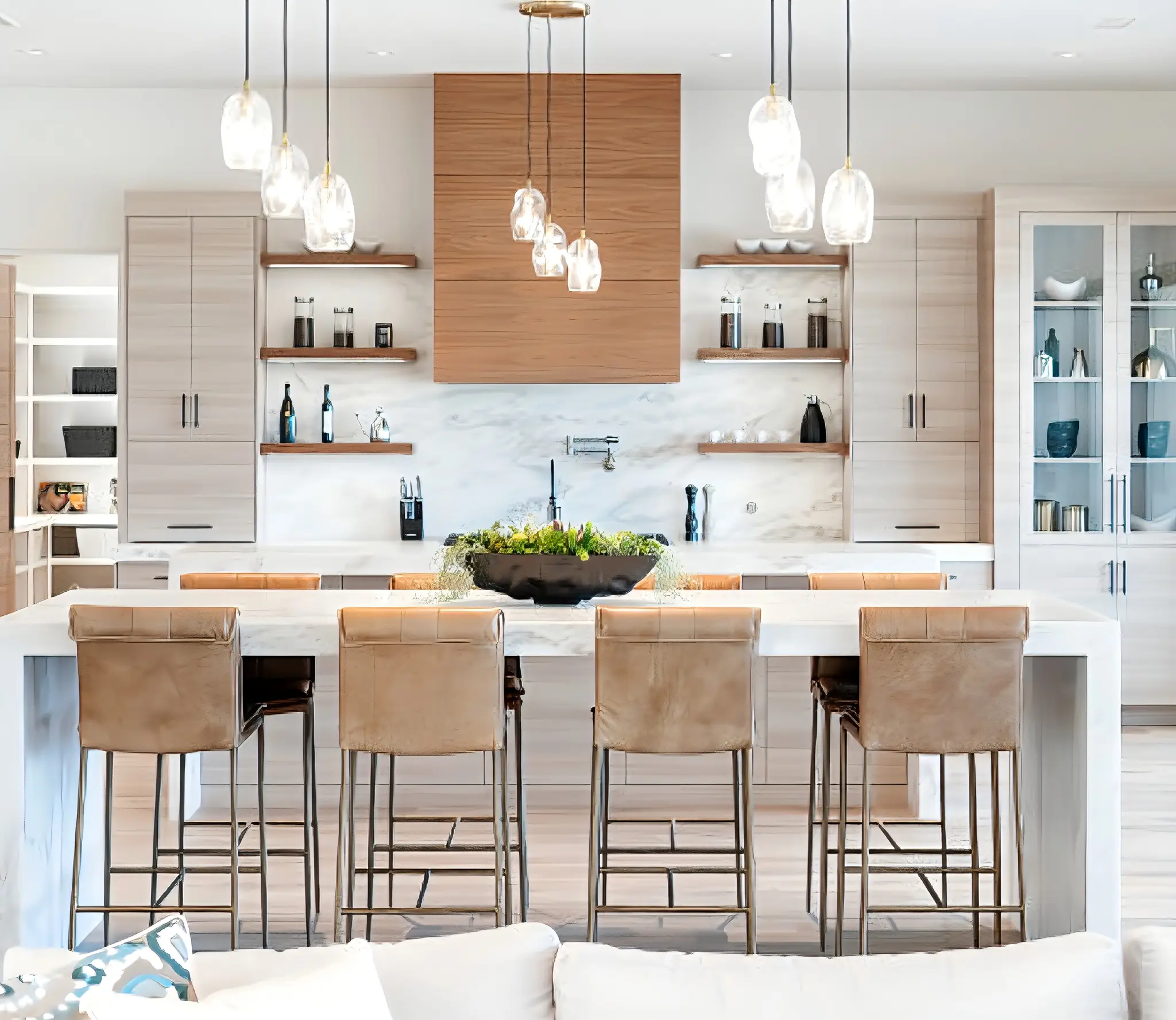
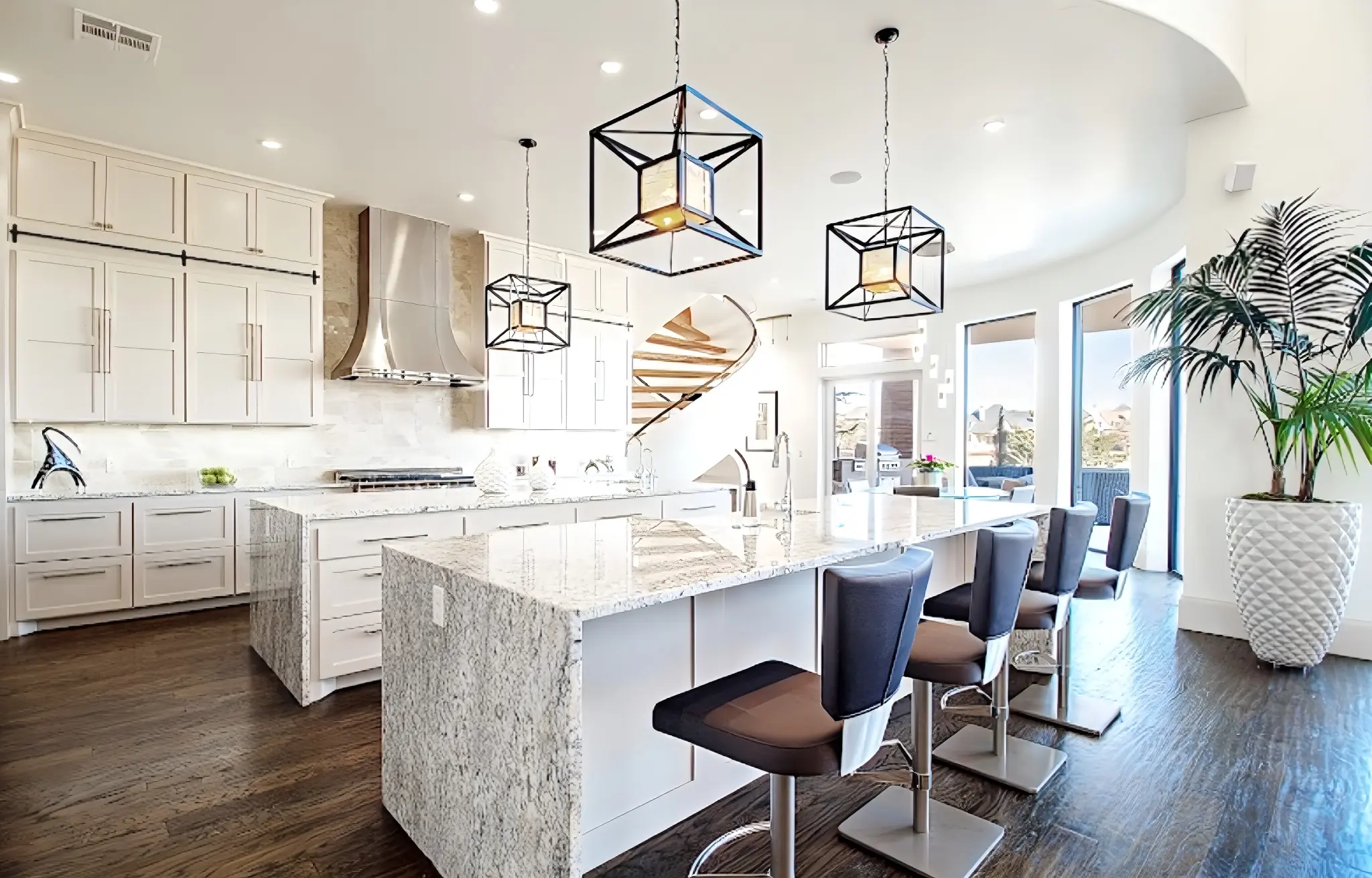
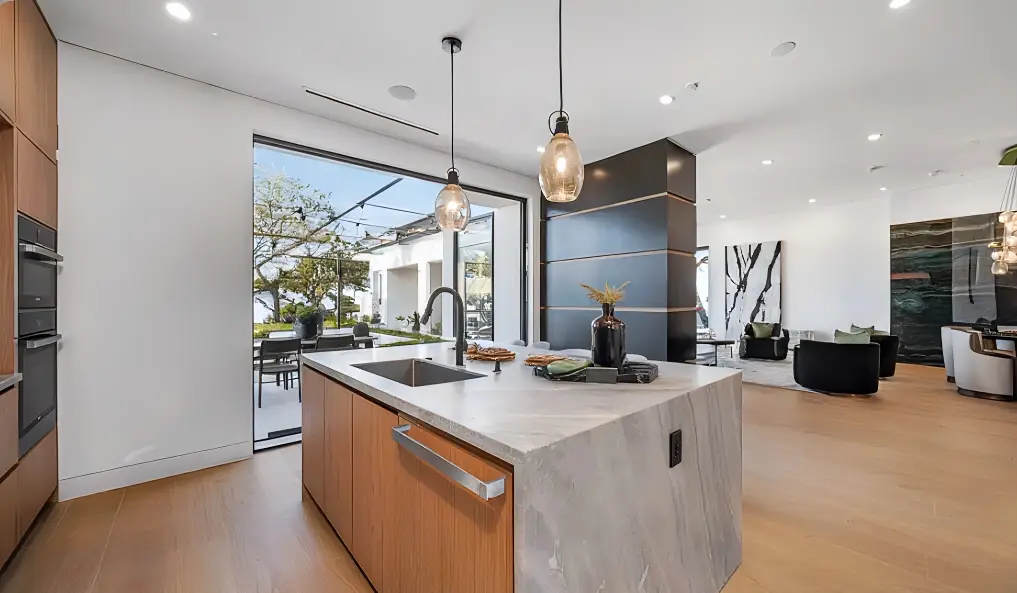
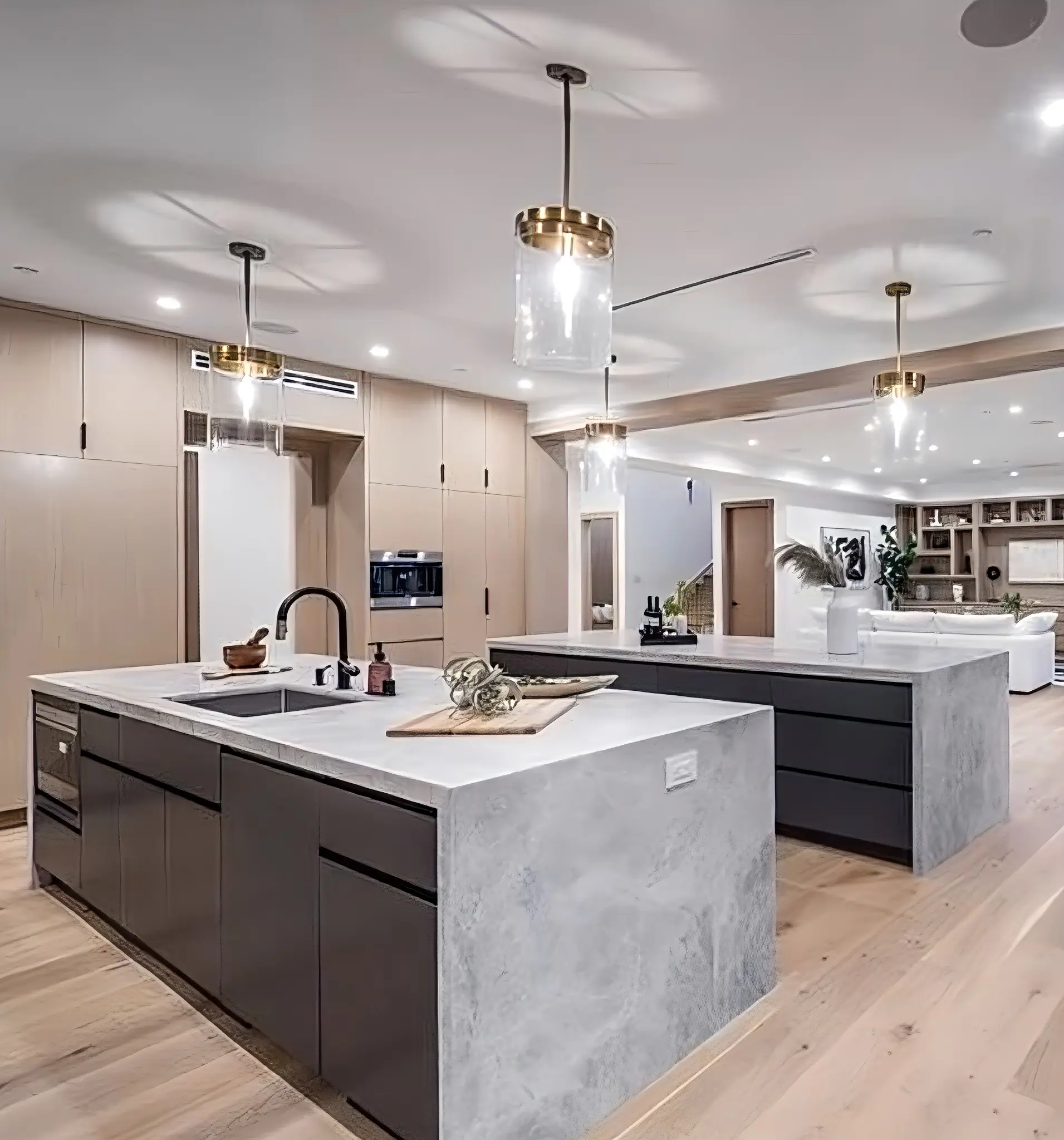
Every permit trigger in your kitchen remodel is identified in the first assessment — plumbing, electrical, structural. CSLB License #1074505 authorizes us to pull all three as contractor of record.
CSLB License #1074505
Itamar Ben Asulin on every project
Valley · Westside · South Bay
Most kitchen remodels in Los Angeles require at least one permit — often three. What determines your permit requirements isn’t how ambitious your vision is. It’s what systems and structures the work touches.
Move the sink to a new location? That’s a plumbing permit, required by LADBS permit requirements any time supply or drain lines are relocated. Add a circuit for a new appliance? Electrical permit. The wall between kitchen and living room may be load-bearing — removing it requires a structural engineering assessment and a building permit before a single stud comes out.
These aren’t optional. They’re code requirements that follow the property — unpermitted work becomes a liability at every refinance and sale. IBA Builders holds CSLB License #1074505, the California credential that authorizes us to pull plumbing, electrical, and structural permits as contractor of record. You can verify a California contractor license directly. Owner Itamar Ben Asulin is a CSLB licensed general contractor serving Los Angeles; his work is documented on IBA’s verified Yelp and Houzz profiles. For more on what to verify before hiring an LA contractor, see our contractor guide.
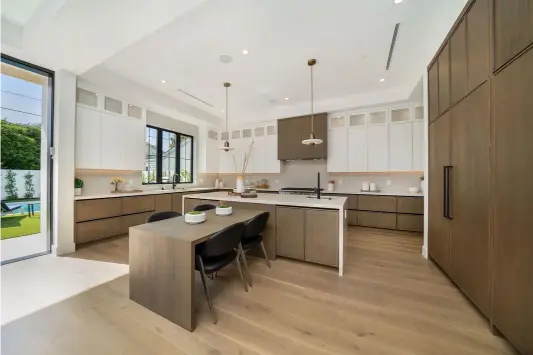
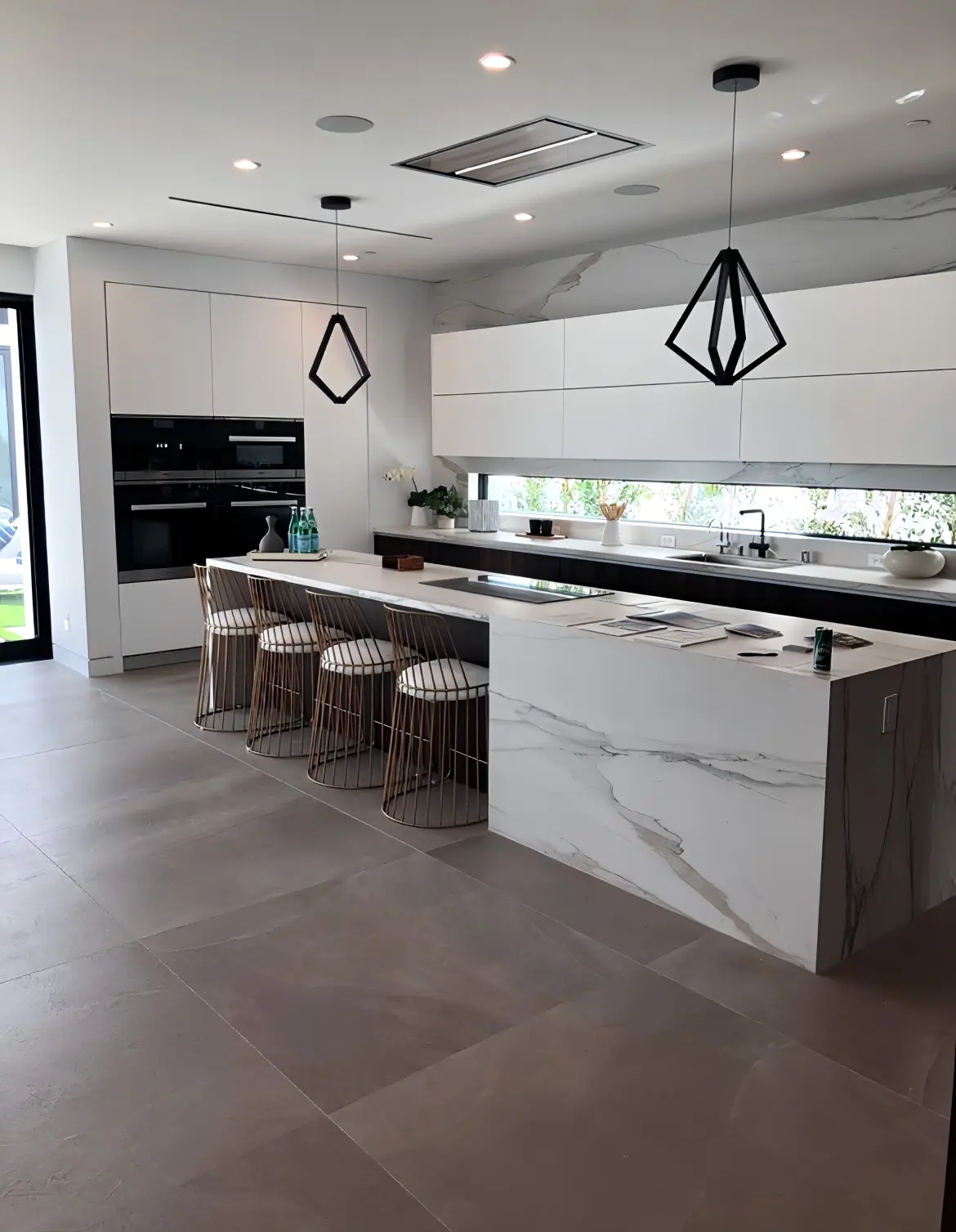
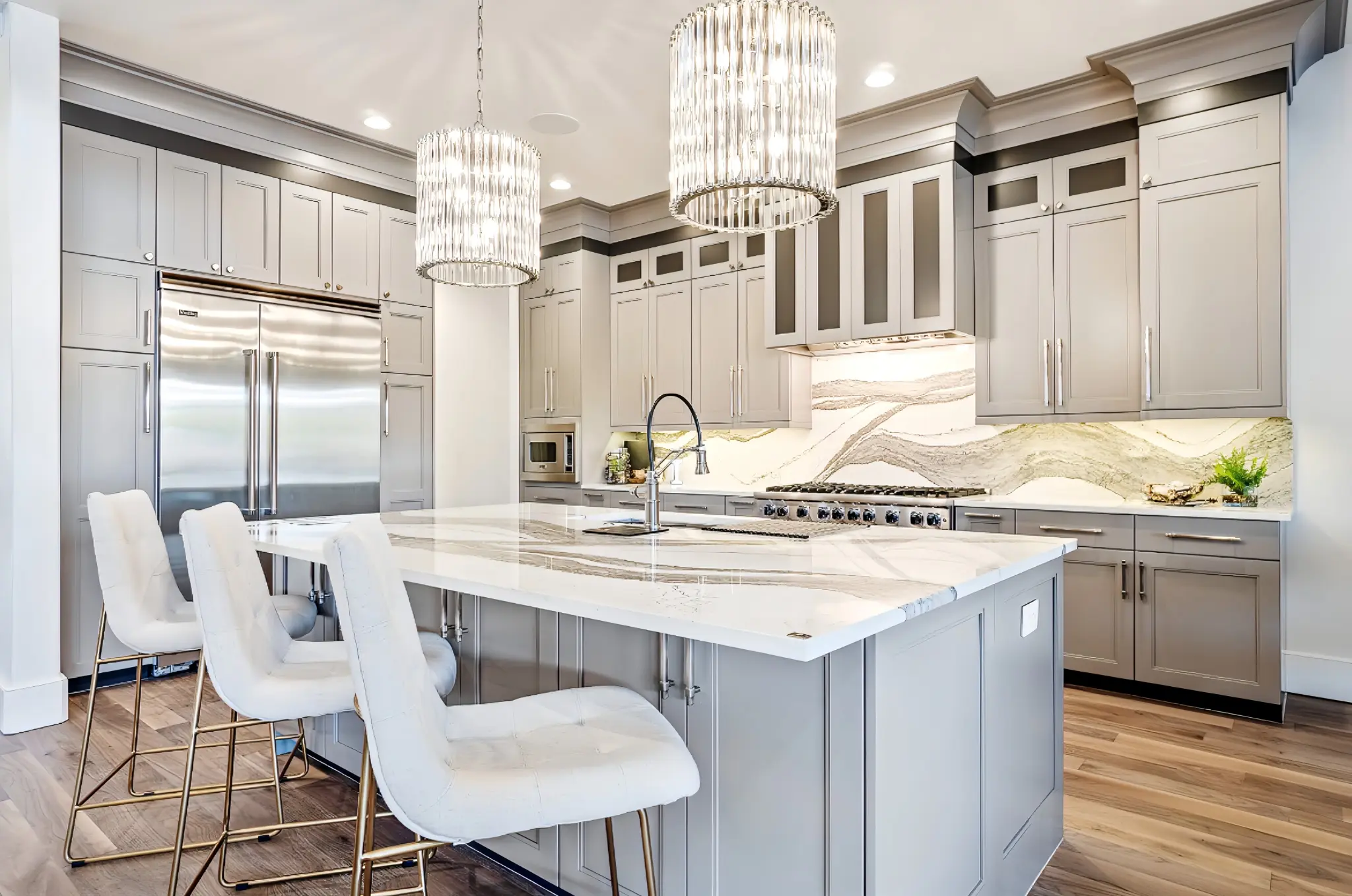
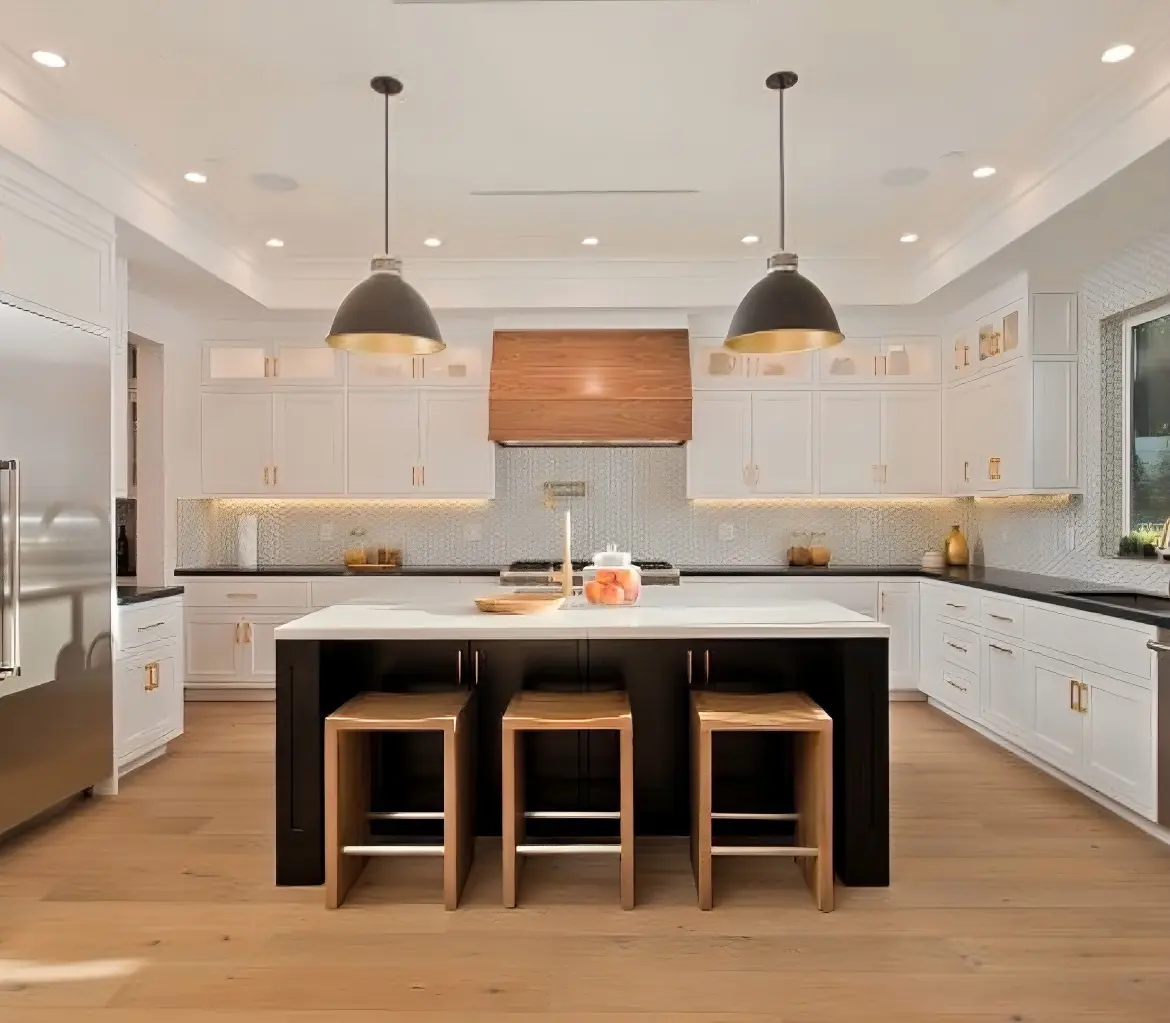
A kitchen remodel isn’t one thing — it’s a spectrum from a contained refresh (new cabinets, countertops, fixtures over the same footprint) to a full reconfiguration that overlaps with a full house remodel. Our custom kitchen design and layout options cover the full-reconfiguration end. We help you understand exactly where your project sits on that spectrum before any drawings are prepared.
The six standards applied to every kitchen remodel we manage — from a contained refresh to a full layout reconfiguration.
Plumbing, electrical, and structural triggers identified in the initial site visit — before design is finalized. They go into the contract, not into a mid-project change order.
Every wall targeted for removal is assessed structurally before demo is scheduled. The engineered beam spec lives in the contract, not the change-order log.
Primary plumbing stack location mapped at the start. Moving the sink away from the wet wall is a known cost — we price the drain routing before design begins.
All new lighting installations specified to meet California’s energy code. Documentation prepared for the inspector before the rough-in inspection happens.
Plumber, electrician, and structural work sequenced so no trade’s rough-in blocks another’s inspection. Sequencing prevents wall reopens and rework.
Semi-custom and custom cabinet lead times built into the project schedule. Fabrication runs concurrent with permit review — not after.
Full site visit before any drawings. Plumbing rough-in location, electrical panel capacity, load-bearing framing, ventilation routing — every permit trigger identified and priced into the project plan.
Construction drawings produced to confirmed scope. Plumbing, electrical, and structural permits filed simultaneously with LADBS. Cabinet order placed — fabrication and plan check run in parallel.
Permits in hand, demo begins. Structural work first (beam install, framing mods), then rough-in MEP. LADBS rough-in inspection scheduled and passed before walls close.
Cabinets installed after rough-in inspection. Countertops, fixtures, and finish work follow in sequence. Final LADBS inspection confirms everything matches the approved plans.
We serve homeowners across the San Fernando Valley, Westside, South Bay, Eastside, and Central LA — Sherman Oaks, Studio City, Burbank, Silver Lake, Culver City, Torrance, Woodland Hills, Hancock Park, Reseda, and beyond. Older LA homes have their own pattern: a 1960s ranch in Reseda or a 1970s Spanish bungalow in Silver Lake often has the wet wall (the primary plumbing stack) in a location that doesn’t match where the homeowner wants the sink — and that wet wall can be load-bearing too. Both constraints get identified before design begins, not discovered after demo. California Title 24 energy compliance standards apply to any new lighting — documented in the permit drawings, not at inspection.
A homeowner in Sherman Oaks came to us wanting an open-concept kitchen. The wall between kitchen and dining room was coming down. The sink was moving to a new island position. The range was relocating to an exterior wall for better ventilation. Three decisions. Three permit triggers.
“The wall was load-bearing — structural engineer had to calc the beam, building permit required before framing came out. The sink moved eight feet from the wet wall, which meant new drain routing under the slab and a plumbing permit; the new path crossed a buried conduit we rerouted before the trench was poured. The range relocation required a gas line extension and a new ventilation chase. Three decisions. Five permit line items. All identified on day one — none of them surfaced mid-project because we looked for them.”
— ITAMAR ASSULIN, OWNER, IBA BUILDERS
That sequence is what every permit assessment looks like: we identify the engineering scope and the permit filings before the contract is signed, not in a change order three weeks into demo. The permit timeline and the cabinet timeline also run in parallel — we submit drawings to LADBS while your cabinet order is in fabrication, so by the time the permit issues, the cabinetry is ready to install. Our experience with permit management across LA construction projects means we navigate LADBS at every phase efficiently. The same plumbing and electrical triggers apply in bathroom remodeling projects — useful to know if you’re planning multi-room scope.
If the footprint stays the same and you’re not relocating any plumbing or electrical, you may not need a building permit — but new recessed lighting layouts still trigger Title 24 documentation, and a new garbage disposal or dishwasher circuit can trigger an electrical permit. The simplest answer: we run a permit assessment on every project. Even a contained refresh sometimes hits one trigger that surprises homeowners.
Because of the wet wall — the wall in your home carrying the primary plumbing stack. Moving the sink away from that wall means new drain routing, often under the slab. In older LA homes (1960s ranches, 1970s Spanish bungalows are common), the wet wall is frequently in a location that doesn’t match where homeowners want the sink. We map that wall during the assessment and price the drain routing into the project plan before design begins.
The biggest variable is LADBS plan check, which usually involves at least one correction cycle. From assessment to permit in hand is typically 6–12 weeks. Construction depends on scope: a contained refresh might be 6–8 weeks of build; a full layout reconfiguration with structural work runs 12–20+ weeks. Cabinet fabrication is scheduled to finish around when permits issue, so it doesn’t add to the timeline sequentially.
A structural engineer evaluates it before any framing comes out. The signs aren’t always visible from inside the kitchen — we look at the wall’s position relative to the floor joists or roof rafters above, the framing direction, and original construction drawings if available. If the wall is load-bearing, the engineer calculates the beam size required to carry the load above it. That beam spec and the building permit get filed before demo starts.
It depends on what you mean by custom. Stock cabinets are pre-built; custom cabinets are built to fit your kitchen dimensions and add lead time. But that lead time doesn’t extend the project timeline on an IBA build, because we order your cabinets when permit drawings are submitted to LADBS. Cabinet fabrication runs in parallel with plan check review. When LADBS issues your permit, your cabinets are ready to install.
The first conversation is a site visit and scope review — not a sales call. You don’t need finished plans or a final budget to have that conversation. We identify what your project requires, what permits apply, and what the full scope looks like before you commit. Have common questions about kitchen remodel timelines and costs? Our FAQ covers the details homeowners ask most.